01
Design review
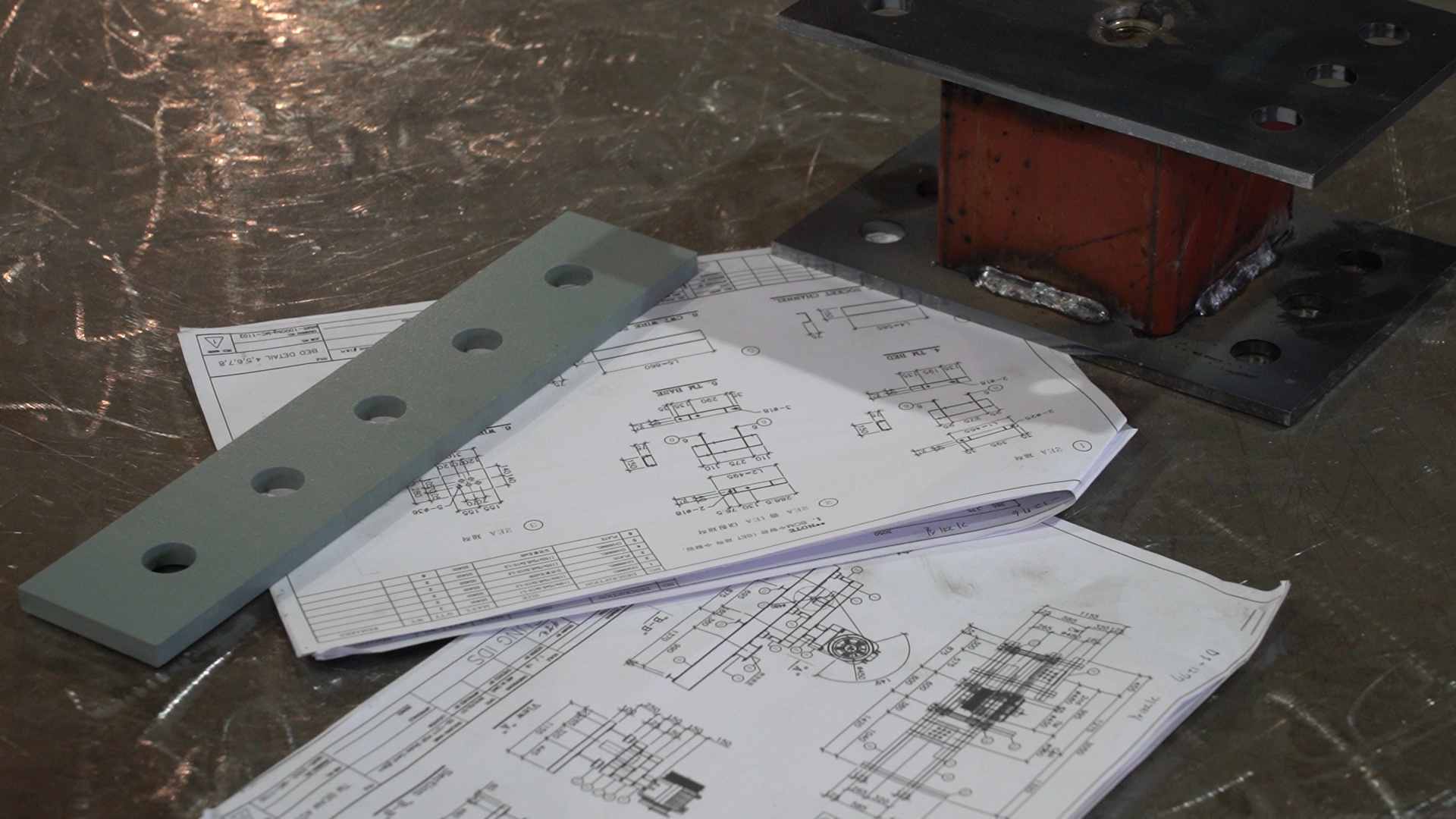
Drawings and site conditions are reviewed together to define manufacturing criteria.
TECHNOLOGY / DSIDS
Design, metalworking, controls and testing come together in every elevator. Explore actual DSIDS processes and the technical configurations documented in the catalog.
01 / ENGINEERING IN PRACTICE
From design review to control and operation checks.
Conditions verified at each stage carry through to the next.
TESTING INFRASTRUCTURE
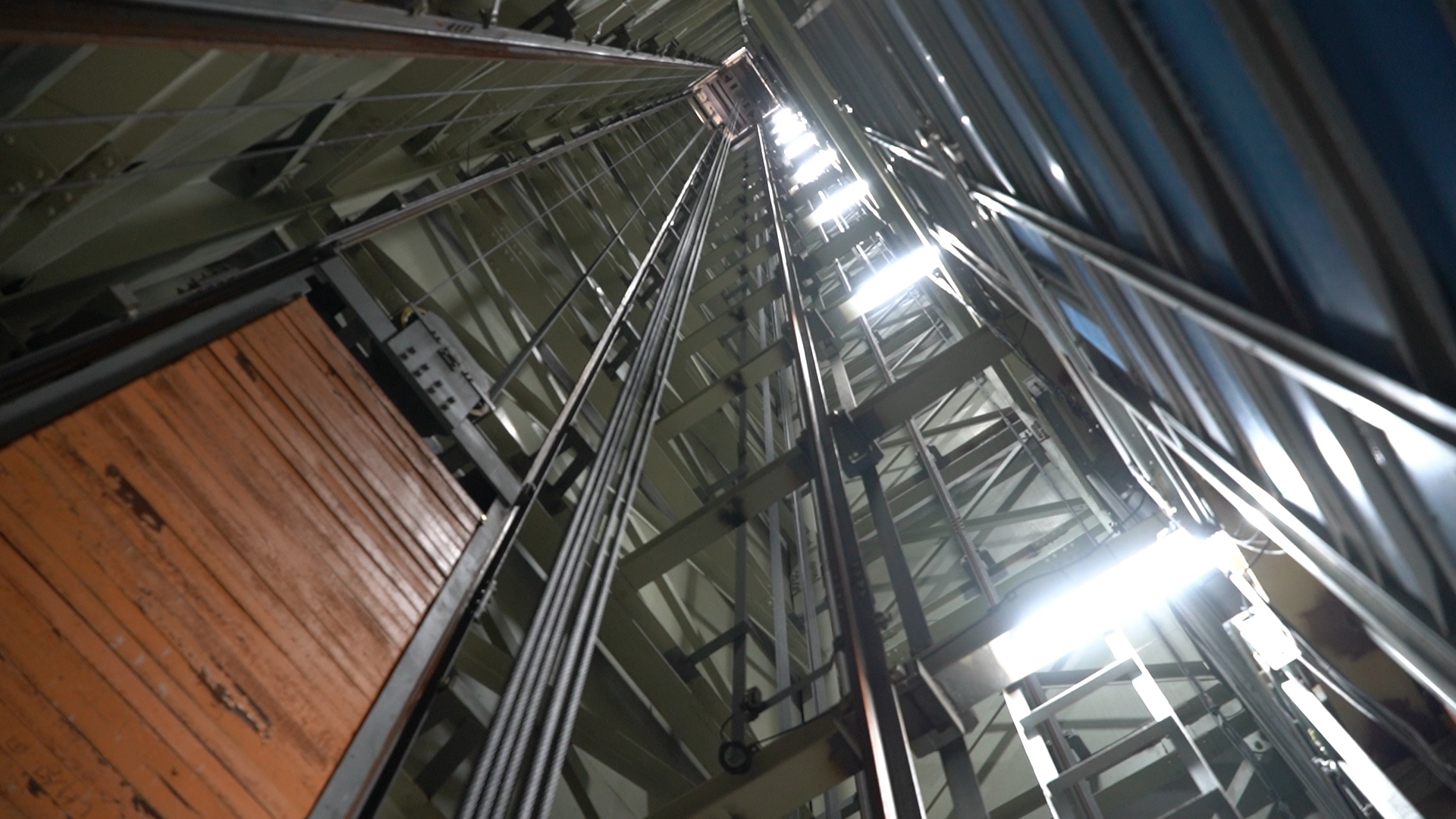
50mThe elevator test tower, completed in 2012, is used to check product operation. Test equipment and on-site verification connect design with manufacturing.
Drawings and site conditions are reviewed together to define manufacturing criteria.
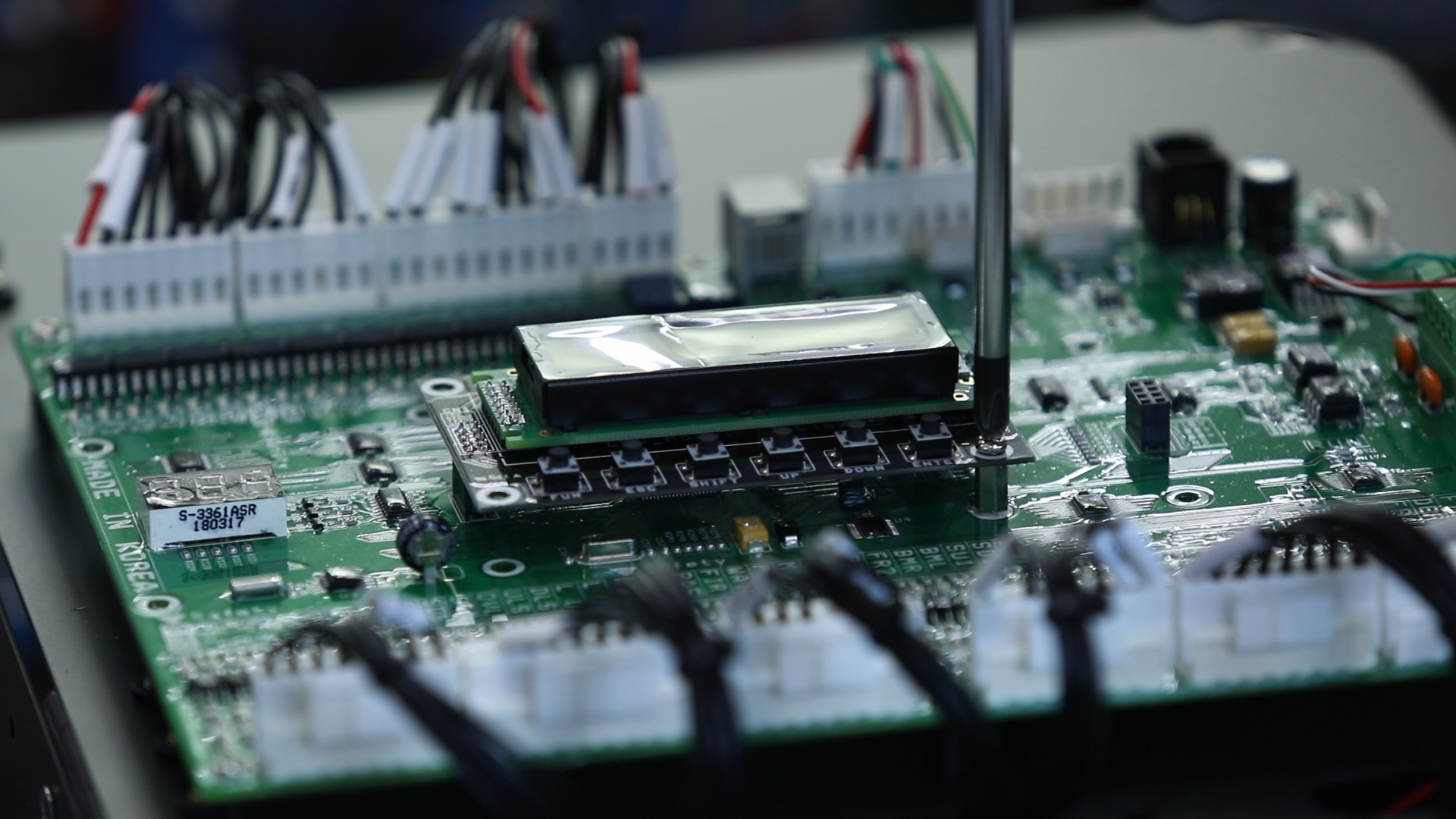
Wiring and control components are assembled and checked at each production stage.
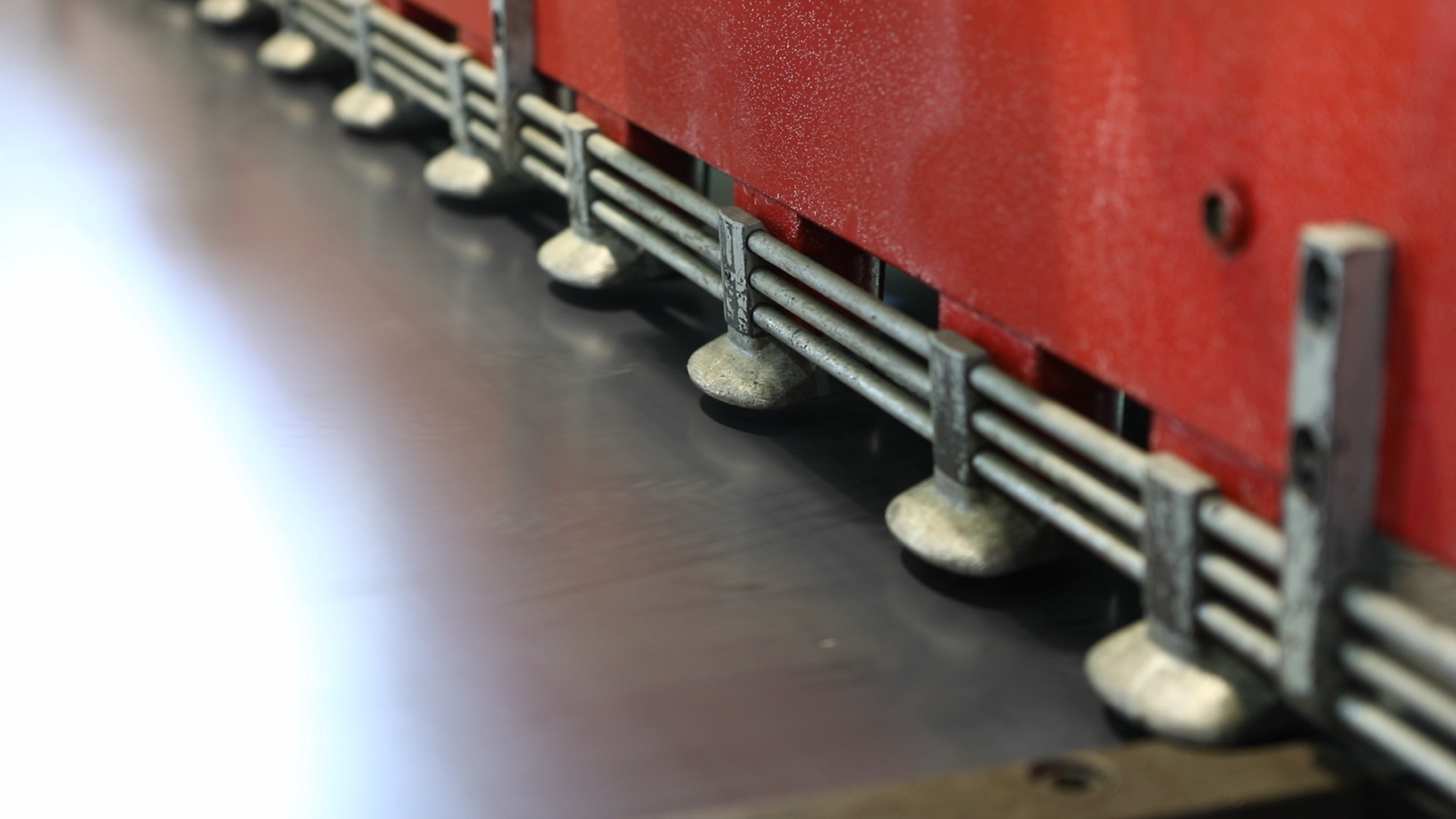
Metal parts are machined precisely to suit the product structure and site dimensions.
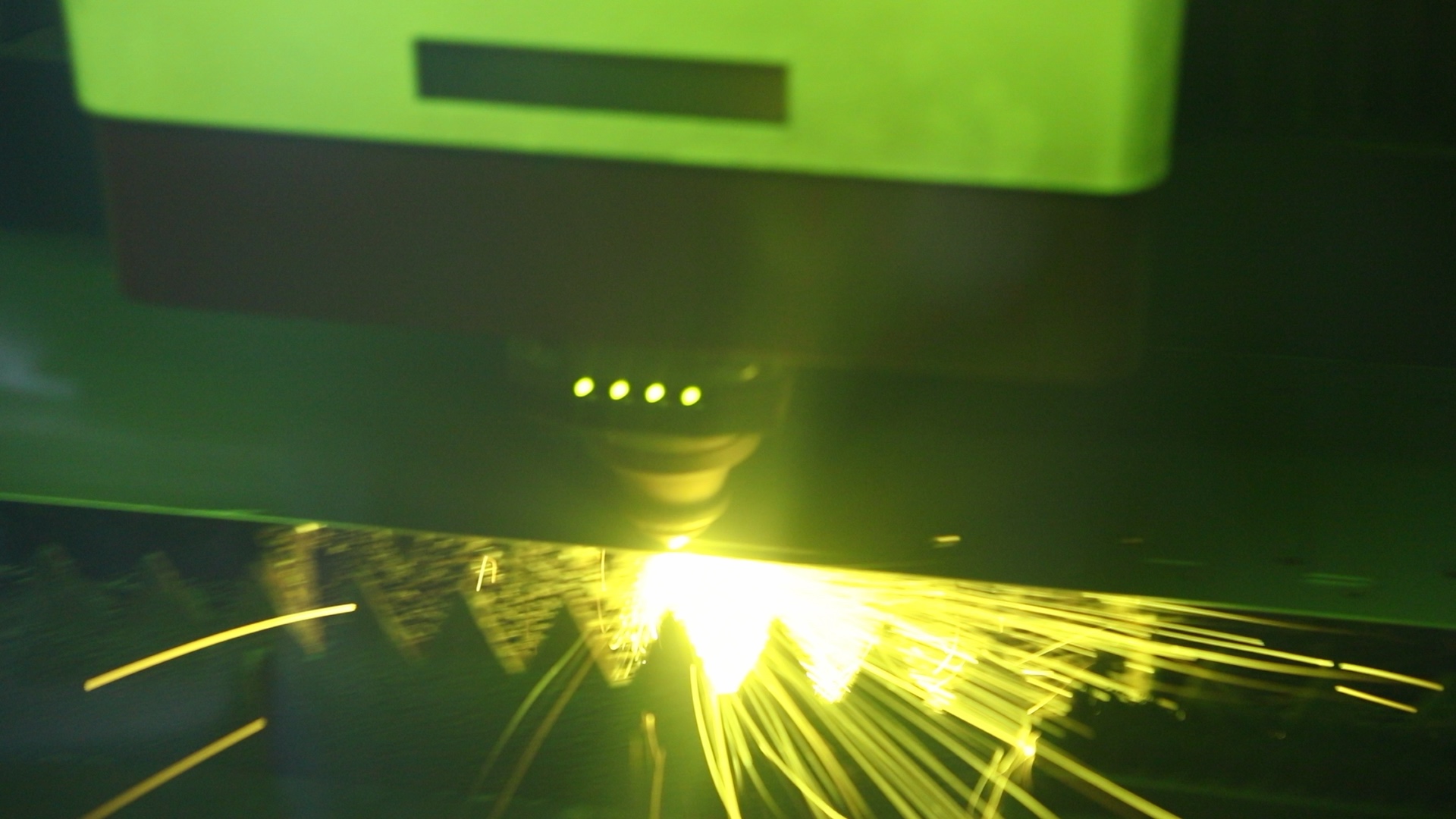
The laser cuts the metal sheet at the bright point beneath the cutting head. This actual production frame shows sparks at the moment of cutting.
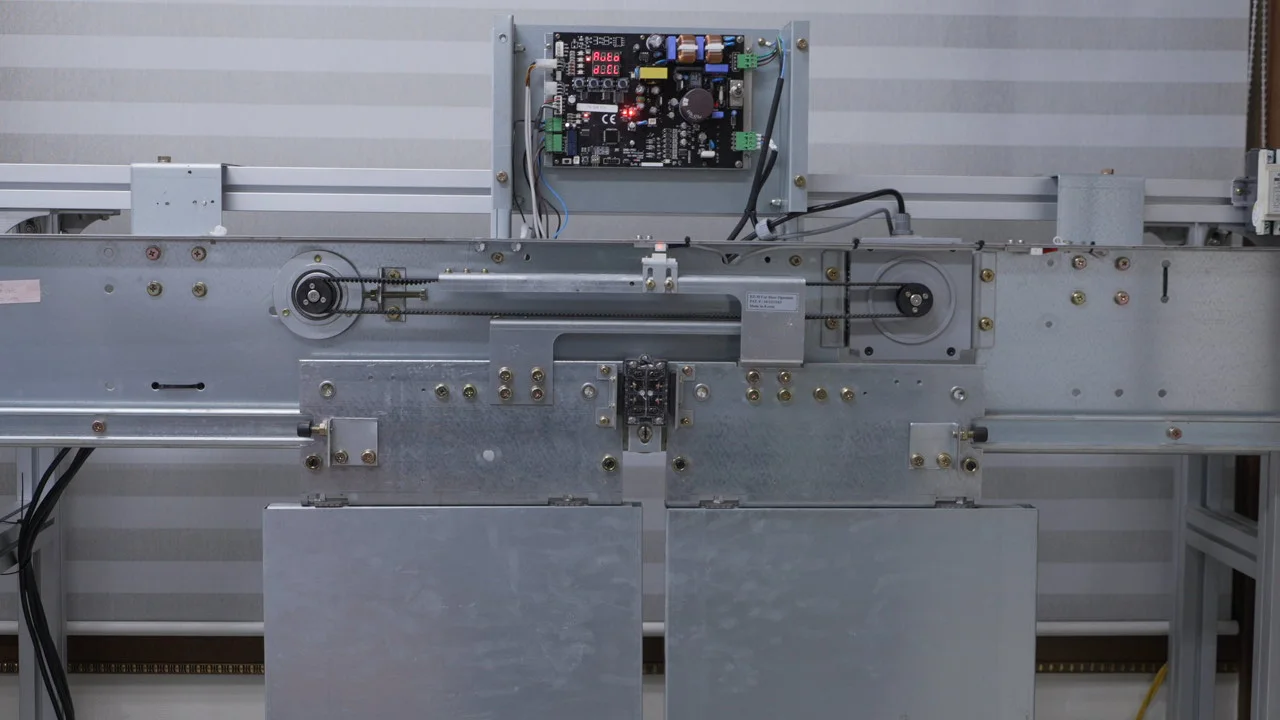
Door-drive operation and components are checked on actual equipment.
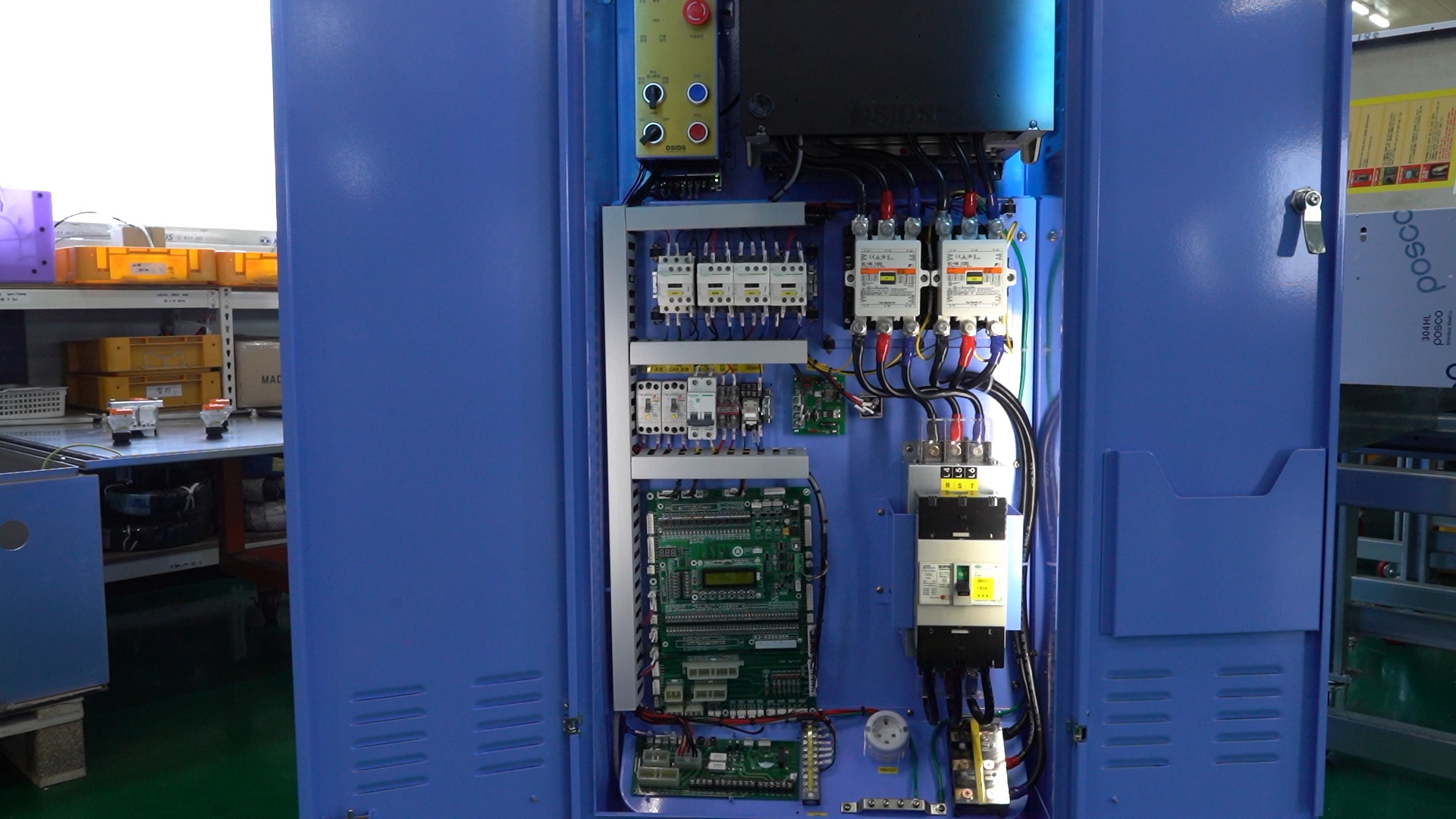
Control equipment and operating signals are connected to check final operation.
02 / CONTROL & CONNECTION
IDS control systems and remote-support configurations from the catalog, reviewed for the complete elevator's installation structure and operating conditions.
IDS 7000
An elevator control system for MR/MMR layouts. Drive and machine-room positioning, site power supply and control configuration are reviewed together.
IDS 1000
An elevator control system for MRL layouts. Shaft and drive positioning and maintenance access are reviewed alongside the building plan.
CRT SYSTEM
Authorized users can review elevator status and operating history. Operation, door movement and maintenance data are available according to the user's access level.
WORKER SUPPORT
A worker-support configuration for checking elevator status over a network and assisting with operating settings and ride adjustment. Applicability depends on site equipment and connectivity.
PROJECT CONTINUITY
New installation, improvements to existing equipment and ongoing maintenance are connected in one project workflow.
Installation conditions and requirements are reviewed in detail.
We design a suitable solution considering safety, circulation and design.
Standardized processes and inspections manage product quality.
Specialists install the equipment and verify its operation.
We systematically improve the performance and design of aging equipment.
We provide inspections and technical support for safe operation.